In a Tactical Unit, Every Detail Has to Be Trusted
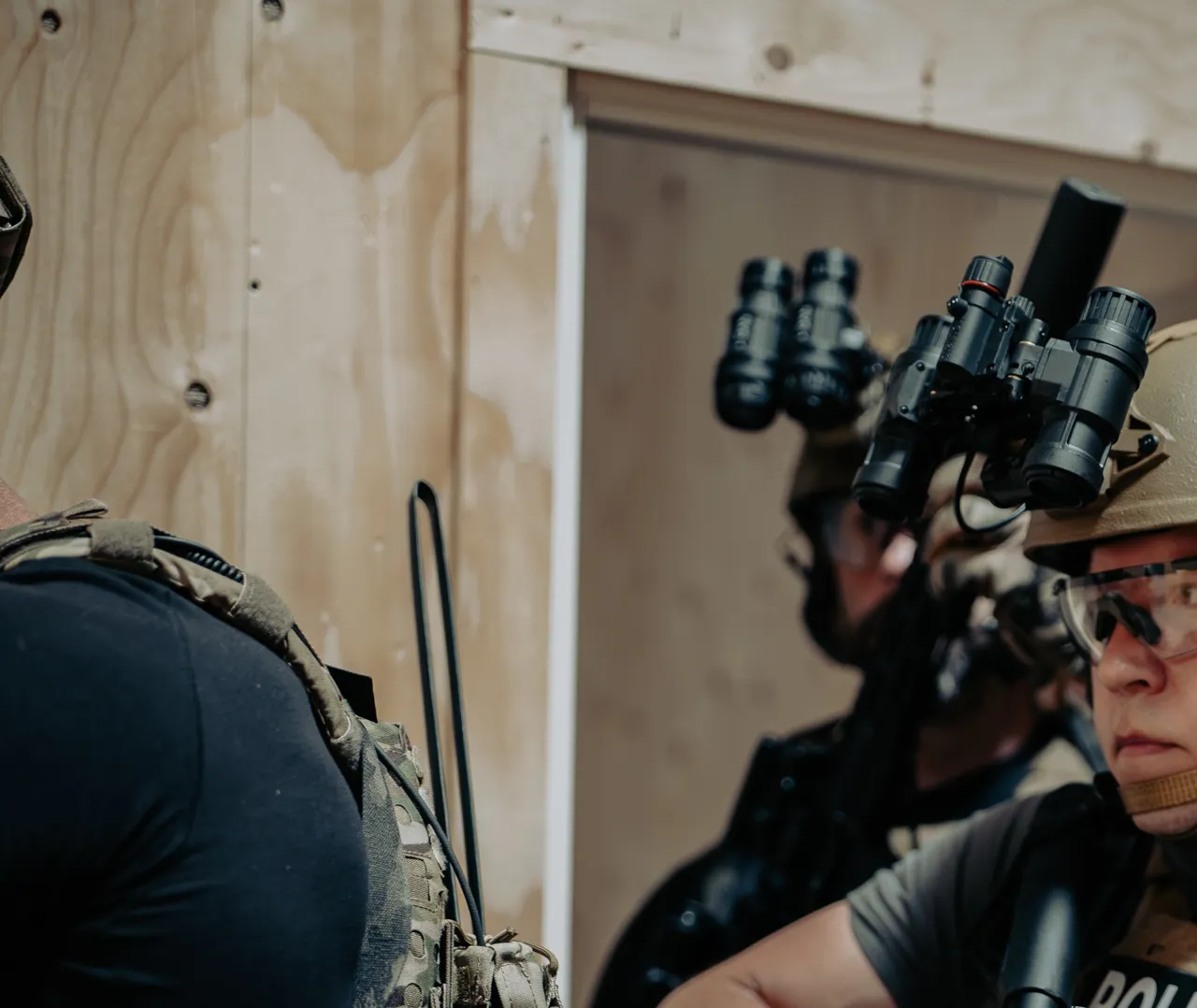
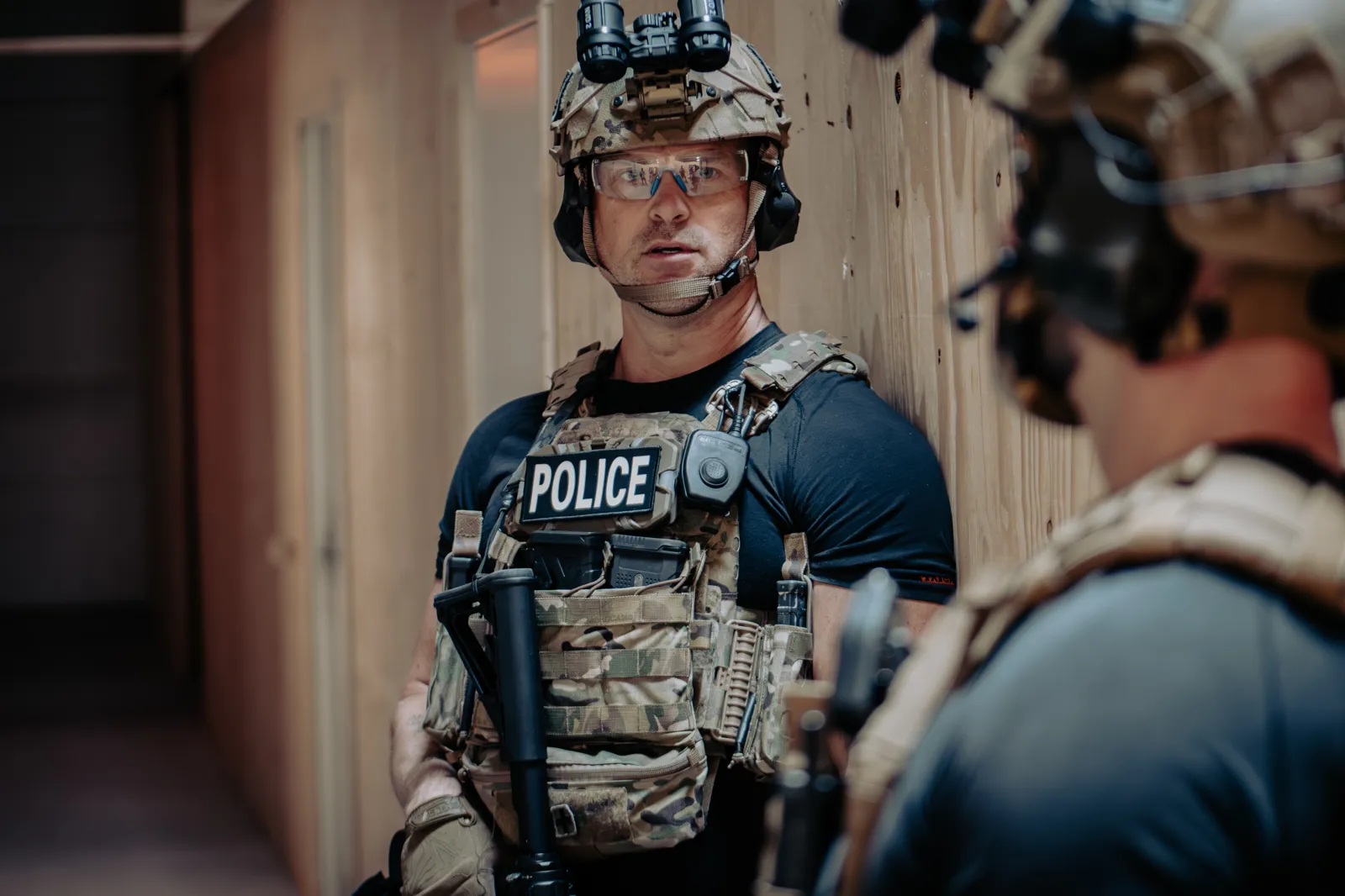
Police tactical units operate where margins are small and the task demands specialized training, the right equipment, and a strong team. Mattias and Jens, based in Malmö, have served sixteen and six years respectively in the regional tactical unit. They talk about why they chose this path, what the job requires – and what happens to shooting performance when the sighting system changes.
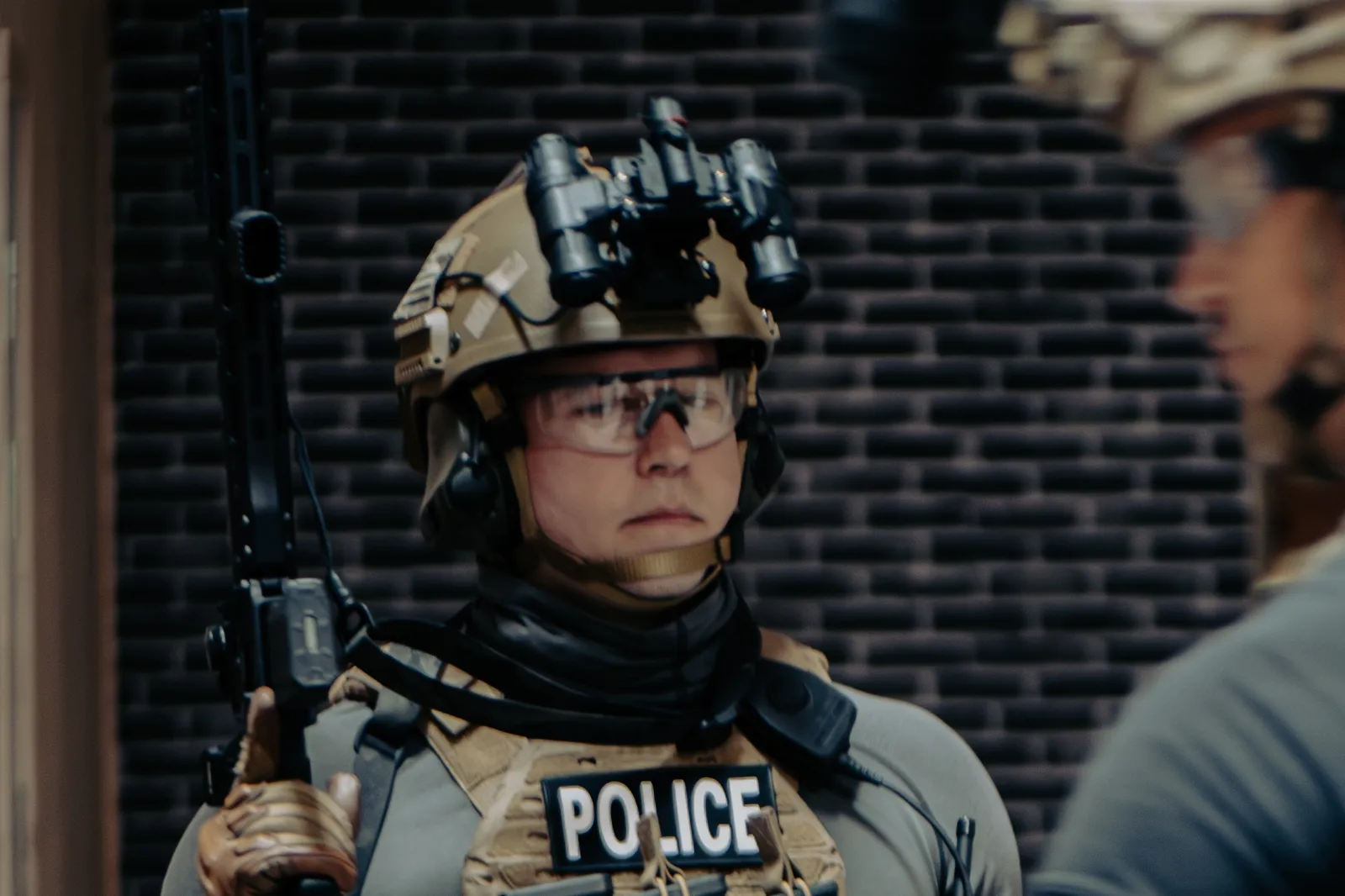
For Mattias, it started with an interest in tactics, weapons, and shooting. For Jens, it was the chance to follow the assignment all the way through.
Today, both serve in the regional tactical unit in Malmö. Mattias is in his sixteenth year. Jens is in his sixth.
“I enjoyed the military, and I wasn’t that interested in regular police work. I wanted to be among the tough guys,” says Mattias.
He smiles as he describes what drew him to the job.
“It’s driving, it’s high-intensity cases, and it’s training, weapons, and shooting. The things I enjoy are part of our workplace. Or, as my partner puts it, it’s my playground. That’s what she calls it.”
Jens had spent six years as a regular police officer. He had been on assignments where he felt he was not able to see the task through to the end.
“I wanted to go all the way and be part of that final step as well. I get to do that now. We get to untie the final knot. Work as a team. And as Mattias says – your interests and your job are basically the same thing.”
A Long Road In
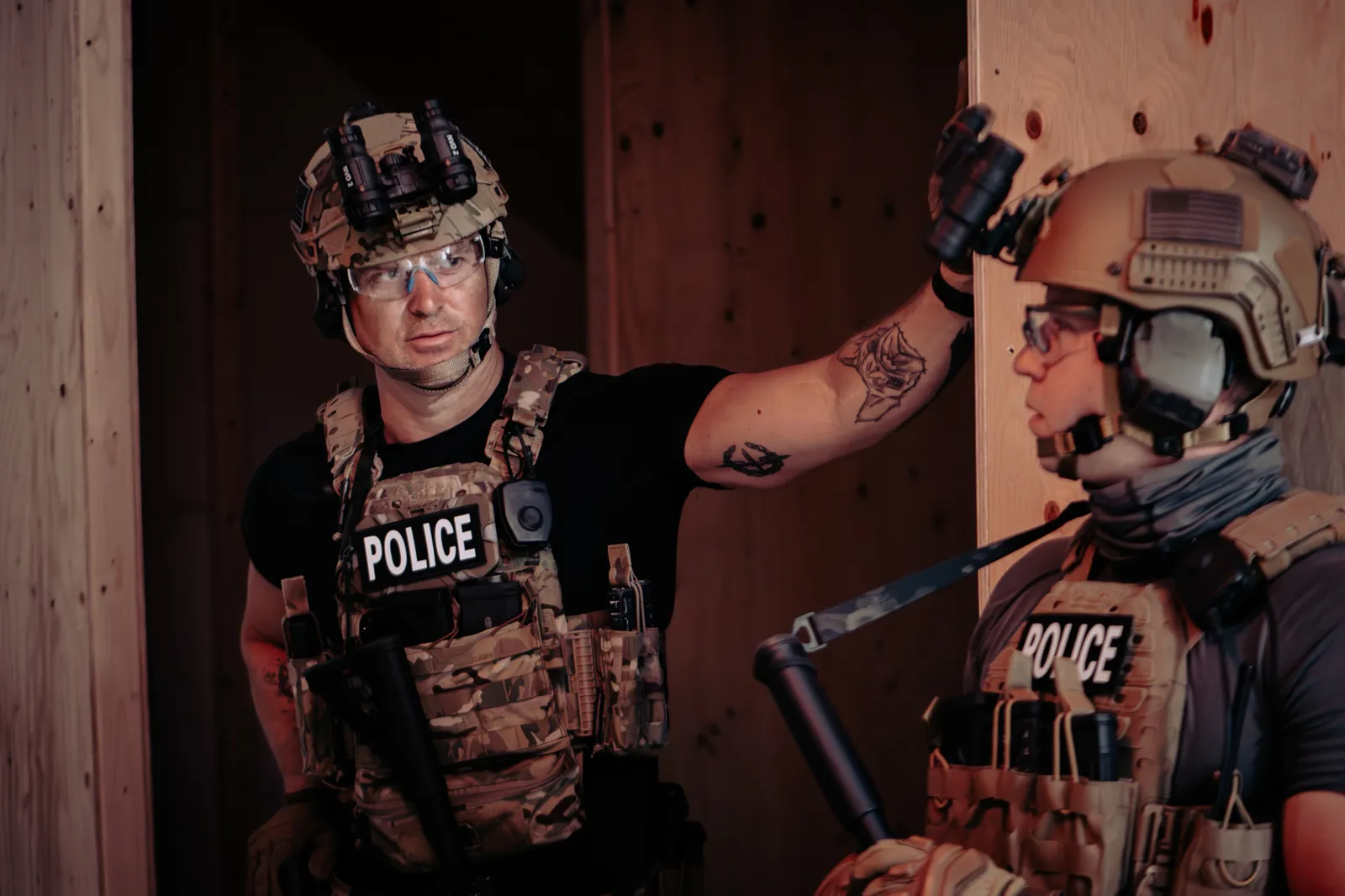
The path into the tactical unit is demanding. Mattias describes a selection process where experience is assessed alongside physical ability, learning capacity, tactical understanding, and shooting skills.
“You want people who already have some experience. Then there are tests where they assess your ability to learn, but also your physical ability and tactical understanding.”
After the tests come interviews and psychological assessments. Then follows a period where the applicant is put to the test.
“It’s what we call a hell week. People drop out along the way. After that, you have the raw material left. They go through basic training, which is about six months. After that, you can wear the qualification insignia and take part in live operations. So it’s quite a long process.”
Training never really stops. Jens says that around 30 percent of their working time is allocated to education and training. The rest is filled with live operations.
“We have 600 cases or operations a year. They vary in nature, from easier to more difficult.”
The range is wide. It can involve arrests, child sexual abuse material cases where police need to secure evidence quickly, vehicle stops, or people in acute crisis.
“Sometimes it can be people who are suicidal and have climbed out onto a balcony. Then we have to go down by rope,” says Mattias.
Jens adds:
“When it’s difficult environments – water, heights, confined spaces – we have more equipment and training to solve the complex tasks.”
During state visits, the role can be different. Then it is often about escorts.
“We have the cars and the practical training, so we protect SÄPO, who in turn protect the principal,” says Mattias.
Individually Adapted Equipment
For a tactical officer, equipment matters. When Mattias is asked what role equipment plays, his answer comes quickly.
“I’d say it’s extremely important. Especially when it comes to shooting.”
He explains that weapons are decided centrally within the Swedish Police Authority. They do not always have the opportunity to influence that. But they are able to provide feedback during procurement processes.
“It has to be good kit that makes it easier for us to do our job.”
Roles vary and assignments place different demands on the officers. Individual adaptation is part of the capability.
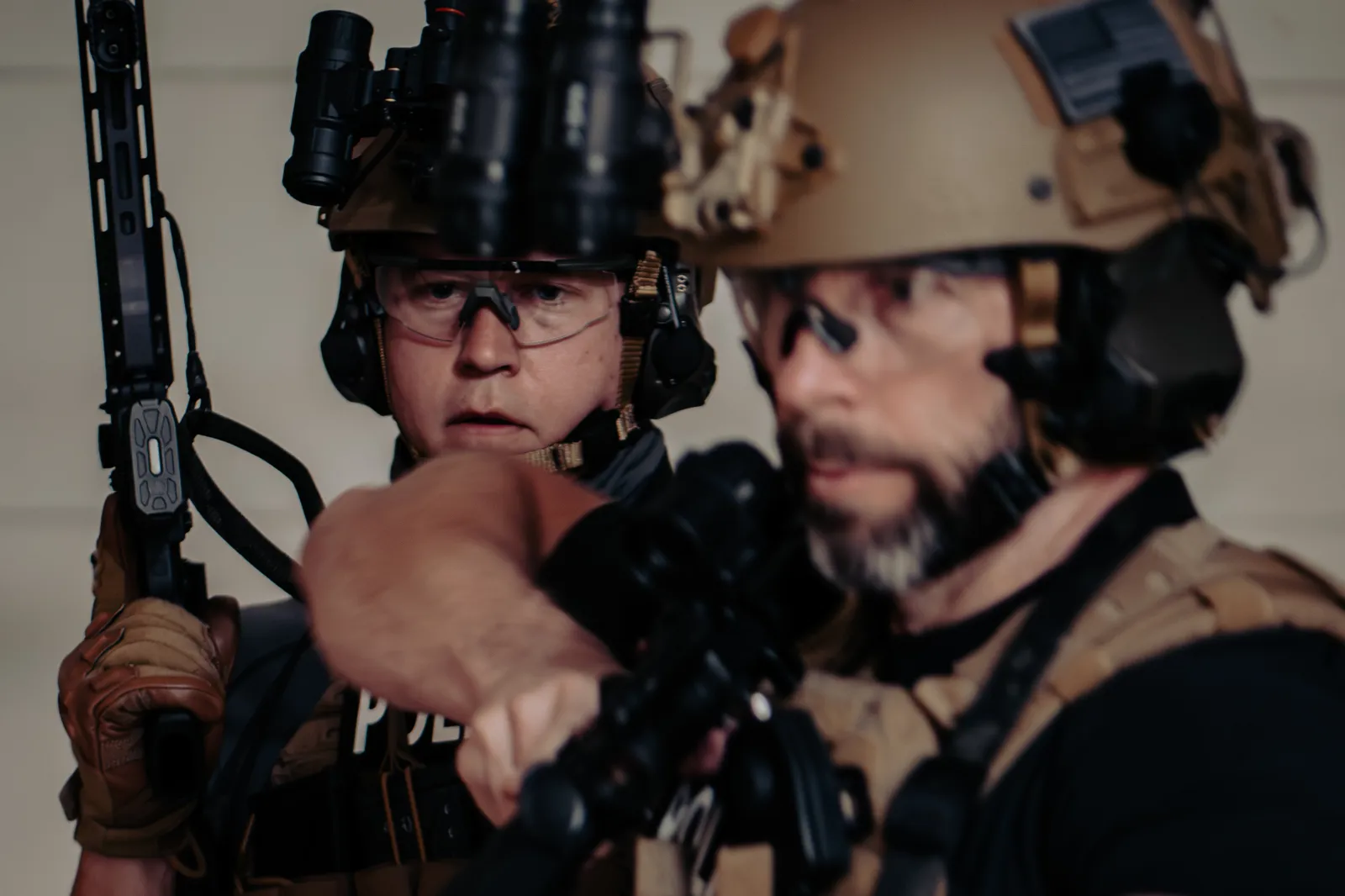
“Everyone has their own setup for their equipment and protective gear,” says Mattias.
Jens has a magnifier on his carbine. Mattias, who is a designated marksman, uses a riflescope in that role – but red dot sights on short-barrelled weapons.
When the conversation turns to red dot sights, Jens is specific. The difference is most noticeable on pistols.
“It was a major step forward for pistol shooting. It made a clear difference in speed.”
He also describes how the view of pistol shooting has changed.
“As a pistol shooter, you were expected to shoot well without a red dot sight out to ten metres. But now I shoot well out to 25 metres.”
From Iron Sights to Red Dot
Mattias came from the Swedish Armed Forces and international deployments, where he had worked with iron sights.
“In the police, we already had Aimpoint on the MP5 in the tactical unit. It made a hell of a difference for me.”
For him, the difference was especially clear because he is left-eye dominant. With a red dot sight, the shooter can work with both eyes open and still have a clear aiming point in the field of view.
“For me, it was a game changer. Really. I hadn’t tried it before, so for me it became very easy to shoot.”
He sees the same development in others.
“And if you look at pistol shooting, everyone has become a better shooter. It has made a huge difference.”
Today, according to Mattias, red dot sights on pistols are primarily used by the tactical unit and police protection details. Regular police officers do not have them. Not yet.
What would happen if more officers had the same opportunity?
“I think they would feel more confident, actually,” says Mattias.
Jens also sees a training advantage.
“I think you could shorten training time. If you introduce it at the police academy. All other weapon systems in the police today have red dot sights. Everything except the pistol.”