Red Dot Size Explained – How to Choose the Right MOA
What is MOA, and which red dot size is best? Compare 2, 3.5, 4, 6 and 9 MOA and learn how dot size affects accuracy, target acquisition and shooting performance.

Many shooters choose a smaller red dot, believing it will improve their accuracy. But a larger dot can actually make it easier to acquire the target and deliver a quick, well-placed shot. Aimpoint Training Manager Fredrik Jacobsson explains why choosing the right dot size involves more than just precision.
A red dot should be easy to find, clearly visible against the target and quick to pick up. At the same time, it should not obscure more of the target than necessary. The ideal dot size depends primarily on shooting distance, the situation and the shooter's individual needs.
"The closer the target and the faster the shooting situation, the larger the dot can be. At longer distances, where precision becomes more important, there are good reasons to choose a smaller dot," says Fredrik Jacobsson.
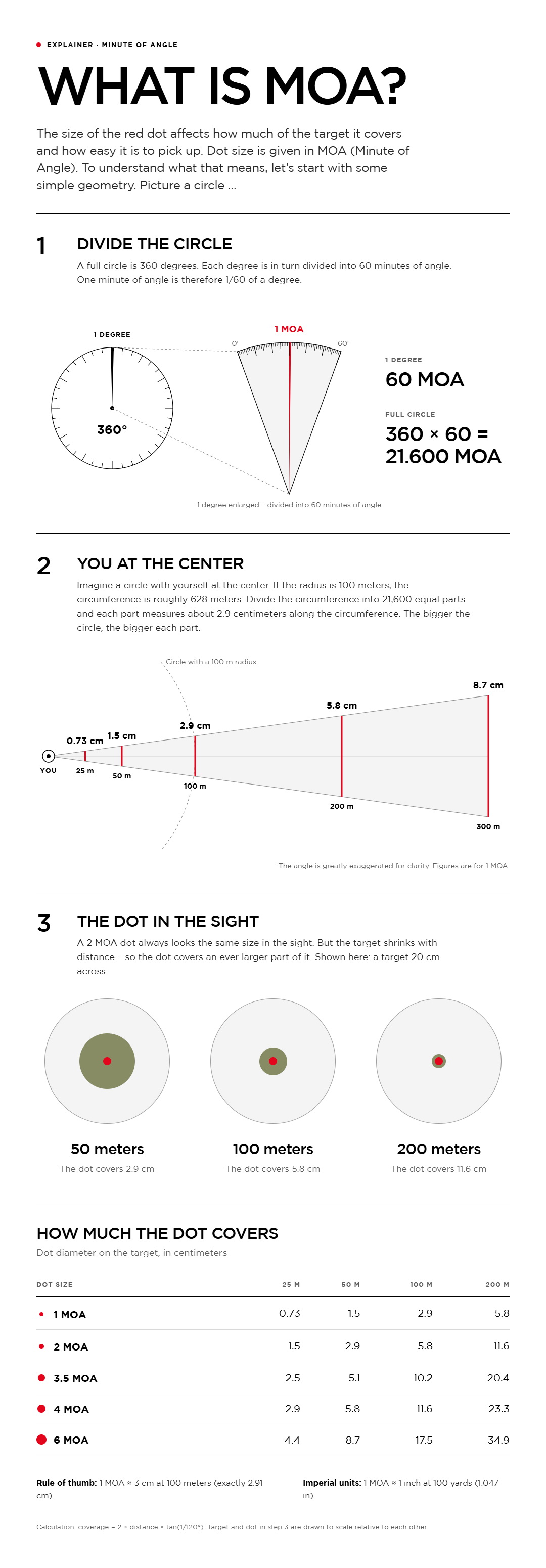
Dot size is measured in MOA, short for Minute of Angle. One MOA corresponds to approximately three centimetres at 100 metres. A smaller dot therefore covers less of the target, while a larger dot is generally easier for the eye to pick up.
According to Fredrik, however, many shooters overestimate the advantages of a small dot.
"A small red dot really only offers a significant advantage at longer distances, perhaps 200–300 metres when using a magnifier. At typical hunting distances, you can use a relatively large dot without sacrificing accuracy. Most hunters would actually benefit from choosing a slightly larger dot."
Let Your Eyes Decide
When buying a new red dot sight, shooters should look beyond the MOA rating. Fredrik recommends trying different dot sizes to find out what feels most natural.
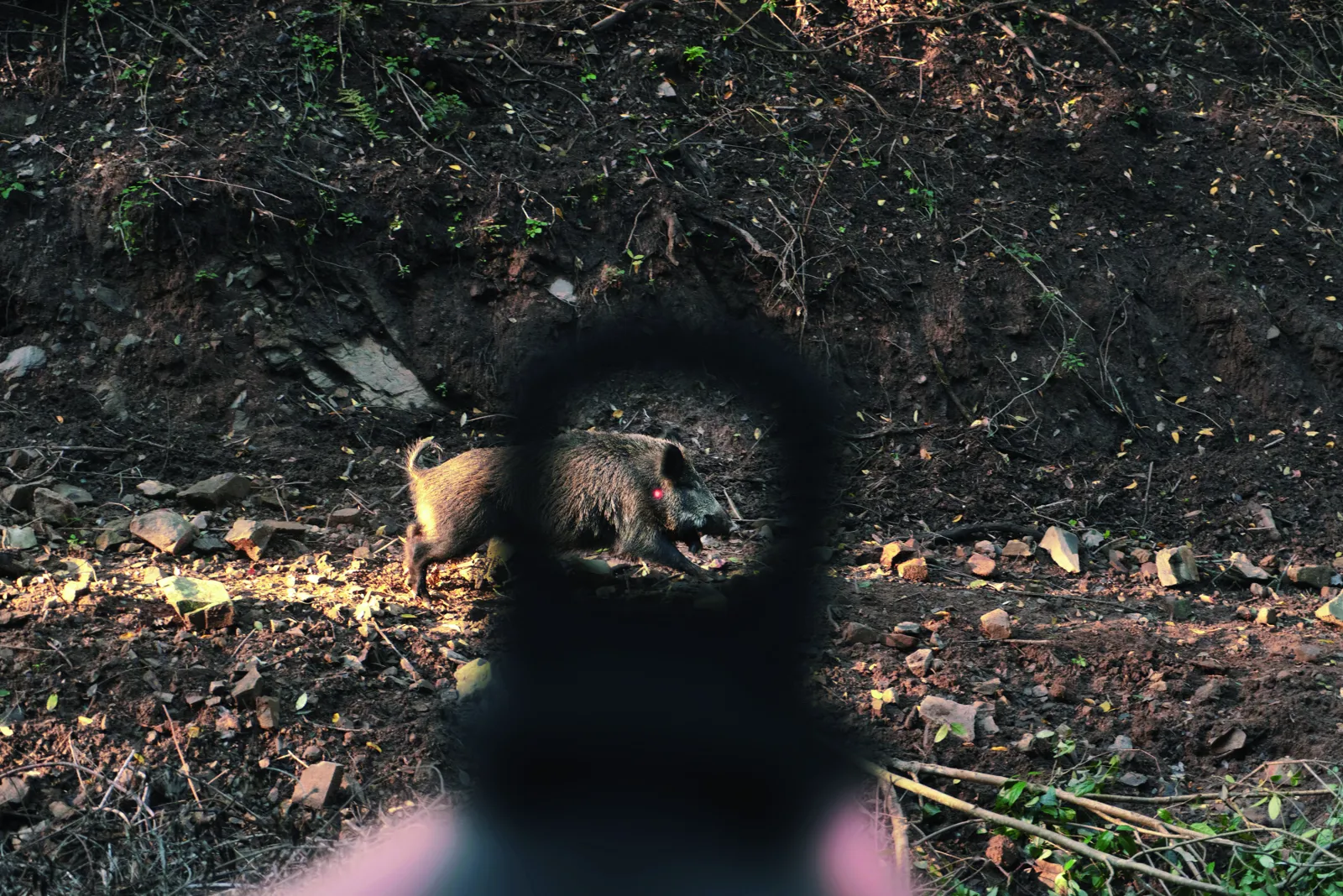
"Ask to look through as many options as possible at the dealer. Ideally, compare a small dot with a larger one. Focus on an object some distance away, then bring the sight into your field of view. Pay attention to how quickly you pick up the dot and get on target."
A small dot is often associated with greater precision. But covering less of the target does not automatically make a shooter more accurate. When rapid target acquisition matters, a larger, more visible dot can actually offer an advantage.
"Trust your own experience. Don't assume that a smaller dot will make you more accurate. Red dot sights are designed to help you place accurate shots quickly at relatively short distances. And in those situations, a slightly larger dot will often help you perform better."
Eyesight Matters Too
Eyesight also influences which dot size works best. Shooters with astigmatism or age-related changes in vision may find that the red dot does not appear perfectly round. Instead, it may look elongated, star-shaped or irregular.
"In general, many older shooters and people with impaired vision find that a larger dot works better. But even if a small dot looks like a star, you can still use it perfectly well. Just put the star on the target and pull the trigger."
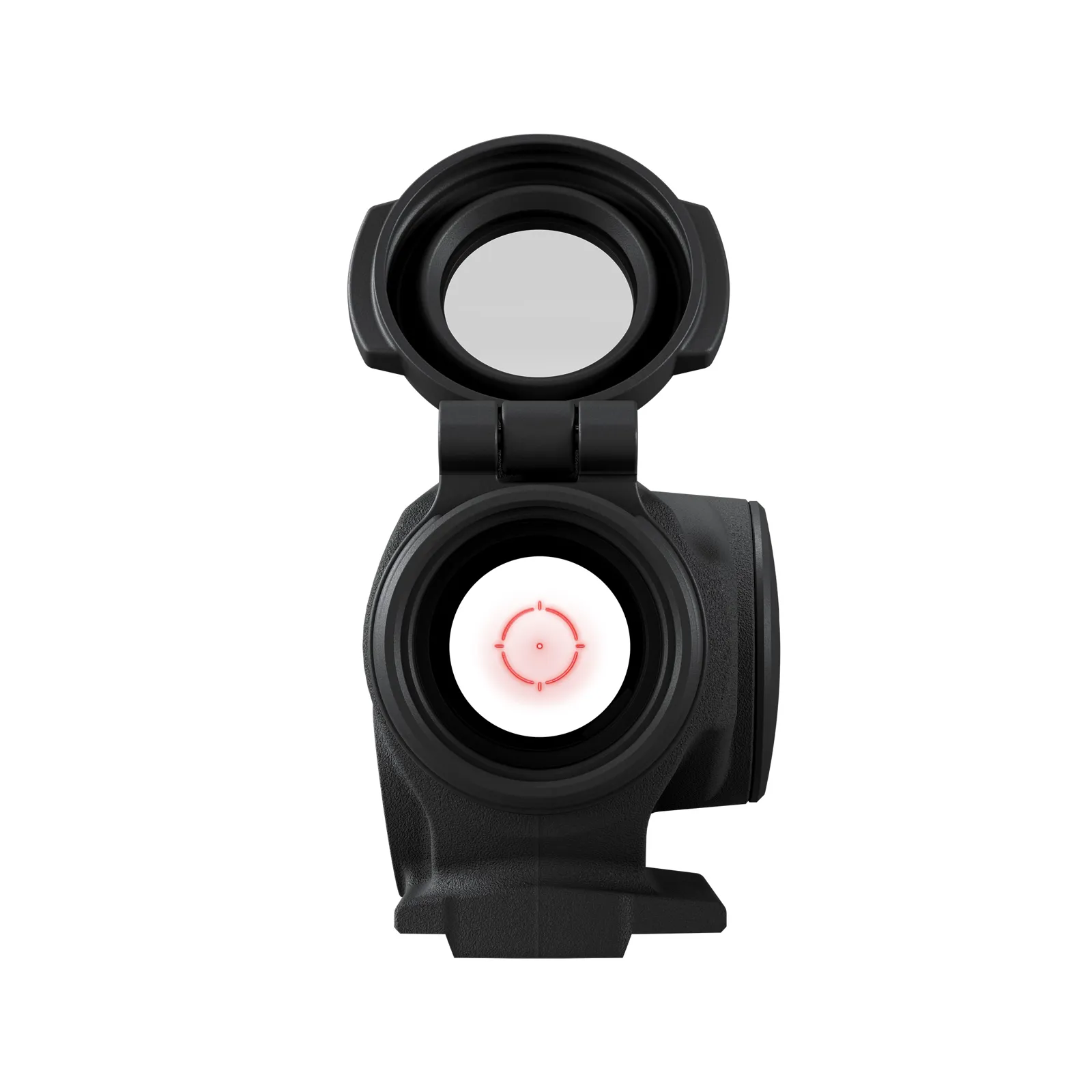
Beyond dot size, there are also different reticle designs to consider. One alternative to a single red dot is a dot surrounded by a circle with additional reference marks, which can help shooters identify where the sight is pointing more quickly.
"Some shooters feel that the additional reference points help them acquire the target faster. Others find the reticle too busy, drawing their attention away from the target."
For Fredrik, the choice ultimately comes down to what works best for the individual shooter. Distance, eyesight and shooting discipline all play a role, but what matters most is how the sight performs in practice.
"There's no single right or wrong answer. Choose the dot size you feel most comfortable with and shoot best with."
Find Your Ideal Dot Size
2 MOA – Precision at Longer Distances
A small dot that covers only a limited area of the target. Ideal for shooters who prioritise precise aiming at small targets and longer distances.
Models: Micro H-2, Micro T-2, Hunter, Comp, Duty RDS, 9000, PRO.
2.5 MOA – Small and Versatile
A relatively small dot that combines excellent precision potential with fast target acquisition.
Models: Acro C-2, Acro P-2.
3.5 MOA – The Balance Between Speed and Precision
A clearly visible dot that is easy to pick up without obscuring too much of the target. A versatile choice for both hunting and sport shooting.
Models: Acro C-2, Acro P-2, COA, COA R.
4 MOA – Speed and Control
A larger dot that is easy to acquire, making it well suited to dynamic shooting at short to medium distances.
Models: Micro H-2, 9000.
6 MOA – Speed at Close Range
A large, highly visible dot for situations where rapid target acquisition is particularly important, such as shooting at moving targets.
Model: Micro H-2.
9 MOA – Shotguns and Instinctive Shooting
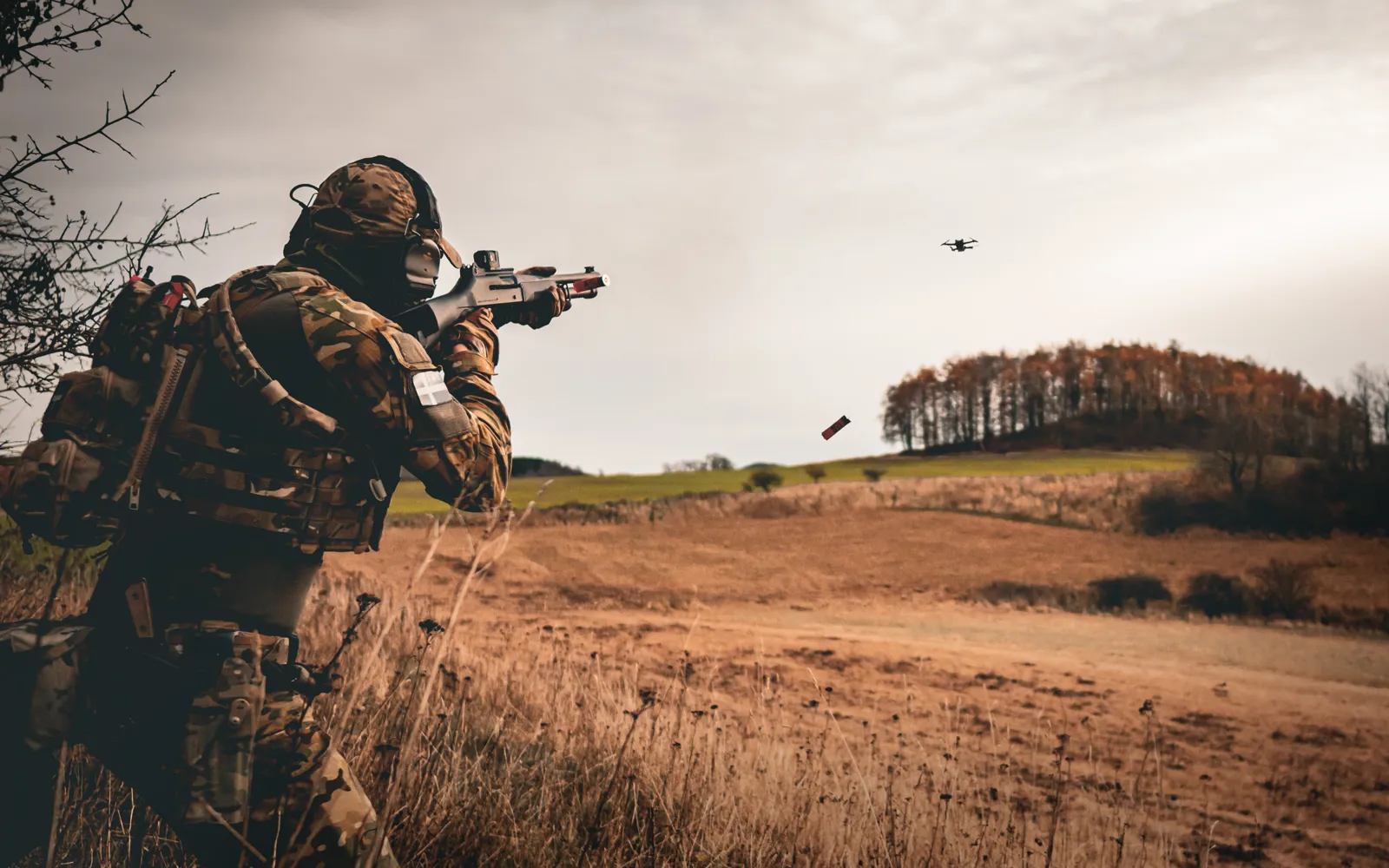
An extra-large dot that is easy to pick up during fast-paced shooting. Particularly well suited to shotguns and other applications where immediate target acquisition takes priority.
Models: Acro S-2, Acro P-2.